


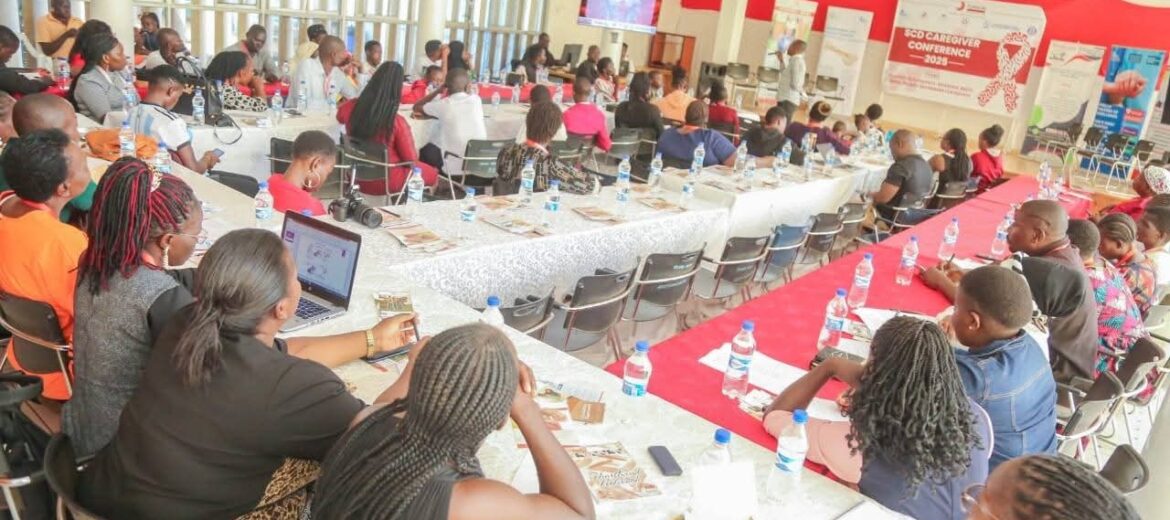
Apollo Hospitals Information Centre Kenya and Apollo hospital Bangalore participated in sickle cell disease caregiver conference in March 2025, Dr Neema Bhatt senior hematologist and bone marrow transplant provided her expertise in SCD-related issues, benefiting a numbered caregiver to sickle cell diseases patient.
Dr. Neema Bhat received excellent honors and a Gold Medal in Physiology from Sri Devaraj Urs Medical College in Kolar. She received her postgraduate degree from Cooper University Hospital in Camden, New Jersey, in the United States. She then went on to Penn State Health in Hershey, Pennsylvania, to complete her Super specialty Fellowship in Hematology/Oncology and Bone Marrow Transplantation.
Dr. Neema Bhat has a total of 8+ years of medical experience, including 6 years of dedicated Hematology and Oncology experience. She is well-versed in autologous and allogeneic stem cell transplantation in benign and malignant hematological conditions, aplastic anemia, immunodeficiency disorders, and pediatric solid tumors. She has conducted over 75 allogeneic transplants and over 30 autologous transplants and is presently the director of one of the country’s major Thalassemia transplant programs.

Apollo Hospitals Information Center has been in operation for more than 10 years. The AIC offices located at TRV centre on 3rd parklands avenue in Nairobi has worked as a bridge between Apollo Hospitals Group & patients seeking overseas treatment from Sub Saharan Africa.
Apollo Hospitals Information center has helped thousands of patients seeking overseas treatment at Apollo Hospitals Group in India. The AIC helps African patient to book appointment with Apollo Hospitals based at New Delhi, Ahmedabad, Navi Mumbai, Bangalore, Hyderabad, Kolkata & Chennai.
Apollo Hospitals Group is a chain of 75 hospitals across India, 8 of its centers are JCI accredited. At its core philosophy, Apollo Hospitals Group believes that every patient deserves undivided attention support and understanding and Apollo hospitals group remains deeply committed to ensuring the safety and well-being of the patients
SICKLE CELL DISEASE
Sickle cell disease affects the hemoglobin within your red blood cells. A genetic mutation causes abnormal hemoglobin to clump together, causing the red blood cells to turn sickle shaped.
1.Ty Hemoglobin SC (HbSC)
People with this form inherited a hemoglobin S gene from one parent. They inherited another abnormal type — hemoglobin C — from their other parent.
2.Hemoglobin (HbS) beta thalassemia
People with this form inherited a hemoglobin S gene from one parent
What are the symptoms of sickle cell disease
- Frequent pain episodes.
- Anemia, causing fatigue, paleness and weakness.
- Jaundice (yellowing of their skin and the whites of their eyes).
- Painful swelling of their hands and feet
What are the complications of this condition
- Pain
2. Acute chest syndrome
3. Anaemia
4. Organ damage and failure
5. Priapism
6. Stroke
7. blood clot
Management and Treatment
1.Stem cell transplant (also known as blood or marrow transplant)
A stem cell transplant can cure SCD.
It involves replacing the abnormal stem cells residing in bone marrow with healthy cells from an eligible brother or sister.


